What Is Interior Trim Work and Why It Matters?
Interior spaces can feel incomplete even after walls are painted and floors are installed. Gaps between surfaces, exposed edges, and transitions between materials often create visual discontinuity. Understanding how interior trim work addresses these finishing details helps property owners recognize its role in creating polished, cohesive interior environments.
What Is Interior Trim Work?
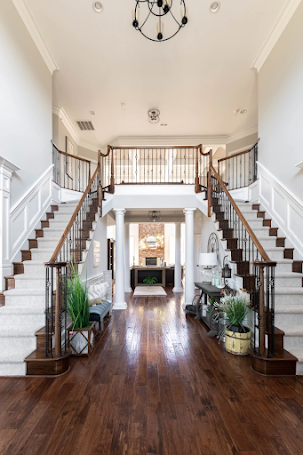
Interior trim work refers to the installation of decorative and functional molding elements that cover transitions, gaps, and edges throughout interior spaces. These elements include baseboards, crown molding, door and window casings, chair rails, and various other millwork components. Trim work serves primarily finishing and aesthetic purposes while also protecting wall edges from damage.
Common Types of Interior Trim
The field encompasses several distinct categories. Baseboards run along the bottom of walls, concealing floor-wall joints and protecting walls from impacts. Crown molding creates decorative transitions between walls and ceilings. Door and window casings frame openings, hiding gaps between jambs and walls. Wainscoting, chair rails, and picture rails add horizontal design elements at various wall heights.
Material and Style Variations
Materials range from solid wood species like pine and oak to medium-density fiberboard, polyurethane, and composite options. Each material offers different characteristics regarding workability, durability, and cost. Style variations span from simple modern profiles to ornate traditional designs. The selected style typically reflects the architectural character of the space.
Who Is This Typically For?
New Construction Applications
Interior trim work applies to virtually all new residential and commercial construction. Home builders incorporate trim installation as a standard finishing phase after drywall and painting. Custom home projects often involve more elaborate trim selections. Commercial spaces including offices and retail establishments also require trim work to achieve professional appearances.
Renovation and Remodeling Projects
Renovation projects frequently involve trim work when updating older properties. Homeowners modernizing spaces may replace outdated trim styles with contemporary profiles. Room additions, kitchen and bathroom remodels, and basement finishing projects all necessitate new trim installation to match existing elements.
Repair and Maintenance Needs
Property owners also engage trim carpenters for repair work. Water damage, impact damage, or deterioration can necessitate trim replacement. Changing door or window units typically requires new casing installation.
When Should Someone Consider This?
Construction Timeline Integration
The timing for interior trim work follows a specific sequence in construction schedules. Installation typically occurs after wall finishing and painting are complete. This sequencing allows trim pieces to be pre-finished before installation. New construction projects schedule trim work as one of the final interior finishing phases.
Renovation Trigger Points
Renovation projects prompt trim work at various stages. Major remodeling involving new wall construction, door or window replacement, or floor plan modifications requires corresponding trim installation. Updating trim often coincides with whole-house painting or floor replacement projects.
Design Upgrade Opportunities
Homeowners sometimes undertake trim upgrades as standalone projects. Adding crown molding, installing wainscoting, or replacing plain baseboards with more substantial profiles represent common enhancement projects that impact room appearance without major structural changes.
How the Process Usually Works
Planning and Material Selection
The approach begins with assessing the space and determining appropriate trim profiles and materials. Measurements establish material quantities. Style selection considers architectural character and budget. Material choices balance aesthetic preferences with practical factors like moisture resistance.
Preparation and Cutting
Preparation involves organizing materials and setting up cutting stations. Trim carpenters use miter saws for angled cuts and coping saws for coped joints. Accurate measurements and precise cuts ensure tight-fitting joints that minimize visible gaps.
Installation and Fastening
Installation proceeds systematically, typically starting with door and window casings before baseboards and crown molding. Pieces are secured using finish nailers. Proper fastening ensures trim remains attached while minimizing visible nail holes.
Finishing Touches
Final steps include filling nail holes, caulking gaps, and touch-up painting or staining. Careful finishing work ensures trim appears as continuous, integral elements. Quality installations exhibit tight joints and smooth transitions.Companies like VC Woodworks typically work with homeowners and builders in Pennsylvania to provide trim carpentry services for residential construction and renovation projects. These types of services generally involve installing various interior moldings and millwork to complete interior finishing requirements.
Common Misconceptions or Mistakes
Material Quality Assumptions
One frequent misconception involves assuming all trim materials perform identically. Material selection significantly impacts installation and long-term performance. Medium-density fiberboard offers smooth surfaces ideal for paint but lacks the moisture resistance of solid wood. Finger-jointed pine provides cost savings but shows visible joints under certain finishes.
Installation Sequence Errors
Another common mistake is installing trim at inappropriate points in construction sequences. Installing baseboards before final flooring can result in gaps. Painting trim after installation typically produces less professional results than pre-finishing pieces. Understanding proper sequencing prevents rework.
Joint Technique Misunderstandings
Some assume all trim corners use simple miter joints. While miter joints work for outside corners, inside corners often benefit from coping techniques where one piece is cut to match the adjoining profile. Coped joints typically remain tighter over time as wood expands and contracts.
Measurement and Planning Oversights
Finally, inadequate planning for material quantities and waste factors represents an oversight. Trim installation generates waste from cut-offs, particularly at corners. Failing to account for waste can result in material shortages. Standard practice involves adding percentages to calculated quantities.
Frequently Asked Questions
How long does trim installation typically take?
Installation timeframes vary based on room size and complexity. A single room with standard baseboards and casings might require four to eight hours, while elaborate crown molding can extend to multiple days. Whole-house trim projects typically span several days to weeks.
Can trim be installed over existing trim?
While technically possible, installing new trim over old typically produces inferior results. Layering creates excessive buildup that appears awkward. Proper practice involves removing existing trim before installing replacements to ensure clean lines.
What causes trim joints to open over time?
Joint separation typically results from wood movement due to humidity changes. Wood expands when absorbing moisture and contracts when drying. Seasonal humidity variations cause cyclical movement that can open joints, particularly miter joints.
Does trim need to match throughout a home?
While trim consistency creates visual continuity, different styles in separate areas can work effectively when intentionally designed. The key is ensuring transitions occur at logical boundaries like doorways rather than within individual rooms.

Conclusion
Interior trim work serves essential roles in creating finished spaces by covering transitions, protecting wall edges, and adding decorative elements. The process involves careful planning, precise cutting and fitting, and attention to detail during installation. Understanding common misconceptions about materials, installation sequences, and joint techniques helps ensure successful outcomes. Properly executed trim work contributes significantly to the overall quality and visual appeal of interior environments.
